
Curling in Dundas & Hamilton – Clubs, Leagues & Events
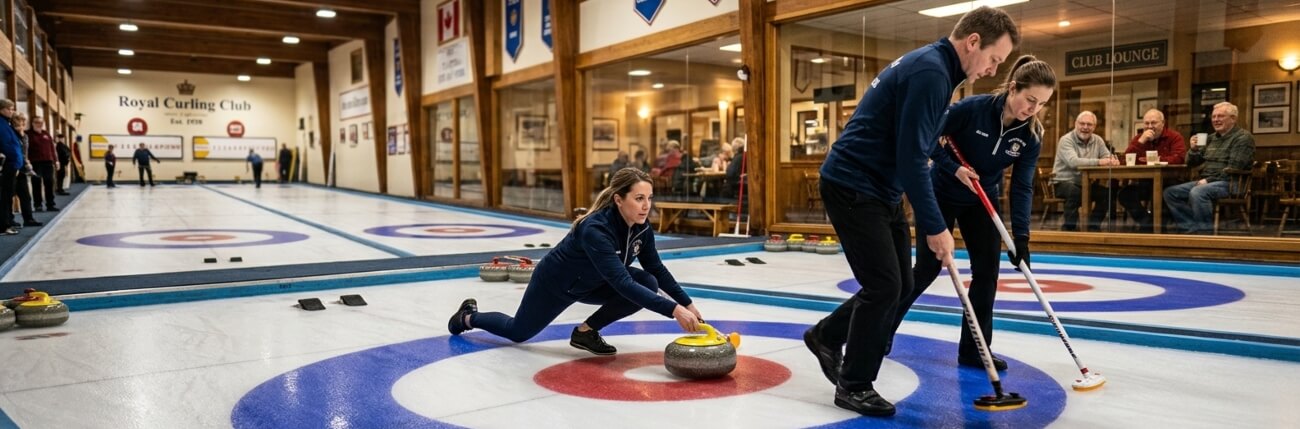
Curling is often called a great Canadian pastime, and that is easy to see in Dundas and Hamilton. Several clubs in this part of Ontario have been around for decades and the area has a large, active player base that includes everyone from first-timers to competitive teams chasing provincial titles. The Dundas Granite Curling Club name has been part of the local curling identity for years, and the community around it remains strong.
DGCC.ca is an independent resource about Dundas granite curling and the wider Hamilton-area curling scene. If you are looking for a curling club near Dundas or Hamilton, trying to figure out what it costs to join, or just curious about how the sport works – this is a good place to start.
Curling by the Numbers
Fact | Figure |
|---|---|
Active curlers in Canada each year | ~1.4 million |
Curling clubs across Canada | ~1,000 |
Curling facilities in Ontario | ~240 |
CurlON (Curling Ontario) founded | 1875 |
Oldest active sports club in North America | Royal Montreal CC (1807) |
Canada’s World Championship golds (men) | 36 |
Canada’s Olympic curling golds | 6 |
Weight of a curling stone | 38–44 lbs |
Standard sheet dimensions | 150 ft × 15 ft |
Curling first appeared at the Olympics | 1924 (Chamonix) |
Data: Curling Canada, World Curling Federation, Ontario Curling Council, Olympics.com
Granite Curling in the Hamilton District
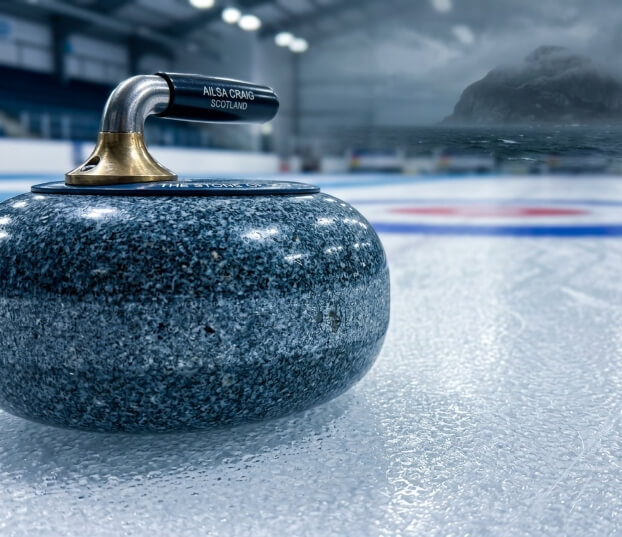
“Granite” in curling refers to the stone. Each one is made from polished granite – most of it quarried from Ailsa Craig in Scotland or the Trefor quarry in Wales – and weighs about 44 pounds (19.96 kg) according to the World Curling Federation. If you follow Dundas Hamilton and district curling, you already know how the word “granite” has become part of the local identity – it shows up in the names of clubs and facilities across the region.
Did you know? Curling stones come from only two places on Earth – the island of Ailsa Craig off the Scottish coast and the Trefor Quarry in Wales. The granite from Ailsa Craig is so dense and water-resistant that stones made from it can last 40 to 50 years. Curling itself dates back to 16th-century Scotland, making it one of the oldest team sports in the world. – Source: World Curling Federation
Granite curling clubs in Ontario come in different sizes. Some are smaller, community-run places with four sheets of ice. Others are larger centres with six or more sheets, full-service lounges, and programming that runs year-round. Local clubs pride themselves on providing curling for individuals of all levels of ability and experience. The granite curling club tradition in this area runs deep – whether you are looking for the granite curling club by name or just browsing for options, there are multiple facilities to consider.
Facility Type | Ice Sheets | Typical Features |
|---|---|---|
Smaller community club | 4 | Local leagues, social events, lounge |
Mid-size club | 4-6 | Multiple league formats, learn-to-curl programs, licensed lounge, rentals |
Multi-sport venue (golf & curling) | 4-6 | Year-round membership, seasonal ice, golf course, banquet facilities |
Clubs in the Dundas-Hamilton area belong to CurlON (Curling Ontario), the provincial body that handles competitive play, club insurance, and development programs. The full directory of Ontario curling clubs is on the CurlON website.
In the Dundas area, curling facilities serve a wide range of players – juniors as young as 11 through to members in their 80s. Dundas Valley curling has its own character, shaped by the escarpment setting and the mix of sports venues in the area. The Dundas Valley Golf and Curling area and nearby Dundas golf and curling club facilities add to the range of options. If you are looking for a Dundas curling club or curling near Hamilton, there are several choices within a short drive – search for a curling rink near you or check the CurlON directory.
Leagues
Leagues are how most people play granite curling on a regular basis. Clubs in the region run different types:
- Competitive leagues – Teams are self-formed, play a full season with standings and playoffs. The best teams can move into regional playdowns run by CurlON.
- Recreational and social leagues – Looser atmosphere, often accepting individual sign-ups. The club puts you on a team. Good for people who are new to the sport or just want regular ice time without the pressure.
- Daytime leagues – Run weekday mornings or afternoons. Mostly retirees and people with flexible schedules.
- Evening leagues – The most common format. Games usually start between 6:30 and 9:00 PM, one or two nights a week.
- Mixed and open leagues – Teams with any gender mix. Popular across the district.
- Junior leagues – For curlers under 18, usually on weekends or early evenings, with coaching built in.
The Ontario curling season runs from roughly October through March. Most leagues play once a week over 20 to 24 weeks.
“Curlers play to win but never to humble their opponents. A true curler would prefer to lose rather than win unfairly.” – The Spirit of Curling, World Curling Federation Rules of Curling
Curling tradition: In league play, winners buy the losers a round after the game and both teams sit together to talk through the match. Curling is also the only sport where players shake hands both before and after every game. – Source: Olympics.com
Membership and Costs
People want to know what a granite club membership costs before they commit. Fees vary by club, but here is the general range for the Hamilton-Dundas area:
- Annual club membership: $100 to $300. This covers your CurlON insurance, access to the facility, and social privileges.
- League fees: $200 to $500 per league, charged on top of the club membership. Depends on the schedule and how many weeks the league runs.
- Total for one season in one league: roughly $400 to $700, which breaks down to about $20 to $30 per week of play.
Most clubs also have lower rates for juniors, students, seniors, and social-only members who want lounge access without playing in a league. Fee schedules are updated each year, so check with the club you are interested in for current numbers.
Canada and curling: There are close to 1,000 curling clubs across Canada, and the country has more active curlers than any other nation. The first Canadian curling club – the Royal Montreal Curling Club – was founded in 1807, making it the oldest active sports club in North America. – Sources: Curling Canada, Cottage Life
Getting Started – Learn to Curl
If you have been looking for a place to learn to curl near Dundas or Hamilton, the options are good. Most local clubs hold free open houses in September or October at the start of each season. You show up, get a quick rundown of the basics, and spend time on the ice with experienced players walking you through it.
Some clubs also run multi-week learn-to-curl programs that go deeper: delivery technique (the sliding motion used to release the stone), sweeping, basic game strategy, and rules. The curling community takes sportsmanship seriously – the Spirit of Curling, as described by the World Curling Federation, is built around fair play and honesty – but nobody expects a beginner to know everything on day one. You do not need any special equipment to try it. Wear stretchy clothes and layers, bring clean-soled shoes, and the club will lend you sliders, stabilizers, and a broom.
Why is it called “the roaring game”? The nickname comes from the sound a 44-pound granite stone makes as it travels across pebbled ice. On TV, commentators talk over it – but in person, the roar of the stone is one of the first things new curlers notice. The pebbled ice surface (tiny frozen water droplets sprayed onto the sheet) is what gives curling its signature physics – the texture is what makes the stone curl. – Source: World Curling Federation
Formats and Accessibility

Curling is not limited to the standard four-person team game. A few other formats are worth knowing about:
- Stick curling uses a delivery stick (sometimes called an “extender cue”) to push the stone from a standing or seated position instead of sliding out of the hack. Stick curling is popular with players who prefer a less physical delivery or who have mobility limitations, and a growing number of Ontario clubs run dedicated stick curling sessions.
- Wheelchair curling is a Paralympic sport. Players deliver stones from a wheelchair using a delivery stick. Some clubs in the Hamilton area can accommodate wheelchair curling or set up sessions on request.
- Mixed doubles is a two-person format that got wider attention after it appeared in the 2018 Winter Olympics. A few clubs in the region now run mixed doubles leagues or bonspiels.
These formats mean curling is open to a broad range of ages and physical abilities.
Curling at the Olympics: Curling first appeared at the 1924 Winter Olympics in Chamonix, France. It was dropped, then returned as a demonstration sport several times before becoming a permanent medal event in 1998 at Nagano. Canada leads the all-time Olympic curling medal count with six gold medals. Mixed doubles was added at the 2018 PyeongChang Games. – Source: Olympics.com
Venue Facilities
A curling club is more than an ice surface. Here is what a typical curling venue in the Dundas-Hamilton area looks like:
- The ice shed – a large, temperature-controlled room with four to six curling sheets. Ice is kept around -4°C to -6°C and is “pebbled” (sprayed with water droplets) before each set of games to give the surface its texture.
- Viewing area – a warm space next to the ice where you can watch games without freezing.
- Licensed lounge – the social centre of any curling club. This is where people gather before and after games. Most clubs serve food and drinks, and many rent out their lounge and ice for corporate bookings, birthday parties, and private events.
If you want to view a venue before joining, most clubs are happy to show you around outside of league hours. Just call or email ahead. Many clubs also maintain a Facebook page where you can see photos and updates before visiting.
Events and Bonspiels
Clubs across the Hamilton-Dundas area run events through the season – bonspiels (curling tournaments), charity fundraisers, corporate days, and social nights. A bonspiel typically runs one to three days and mixes competitive play with meals and a hospitality area. For event listings, check individual club websites or the CurlON events page.
About This Site
DGCC.ca is an independently operated website covering curling in the Dundas and Hamilton area. You may have found this site listed as an official website or site officiel in curling directories — those links date from a previous operator. This site is not run by, affiliated with, or endorsed by any particular curling club, sports body, or previous operator of this domain. We do not represent any club or organization.
Content is independently written and references sources including the World Curling Federation, Curling Canada, and CurlON.
Contact: If you run a club, coordinate a league, or are involved in the curling community in the Hamilton-Dundas area and want information included or corrected on this site, get in touch through our contact page.
This is an independent educational resource, not affiliated with any previous website operators.